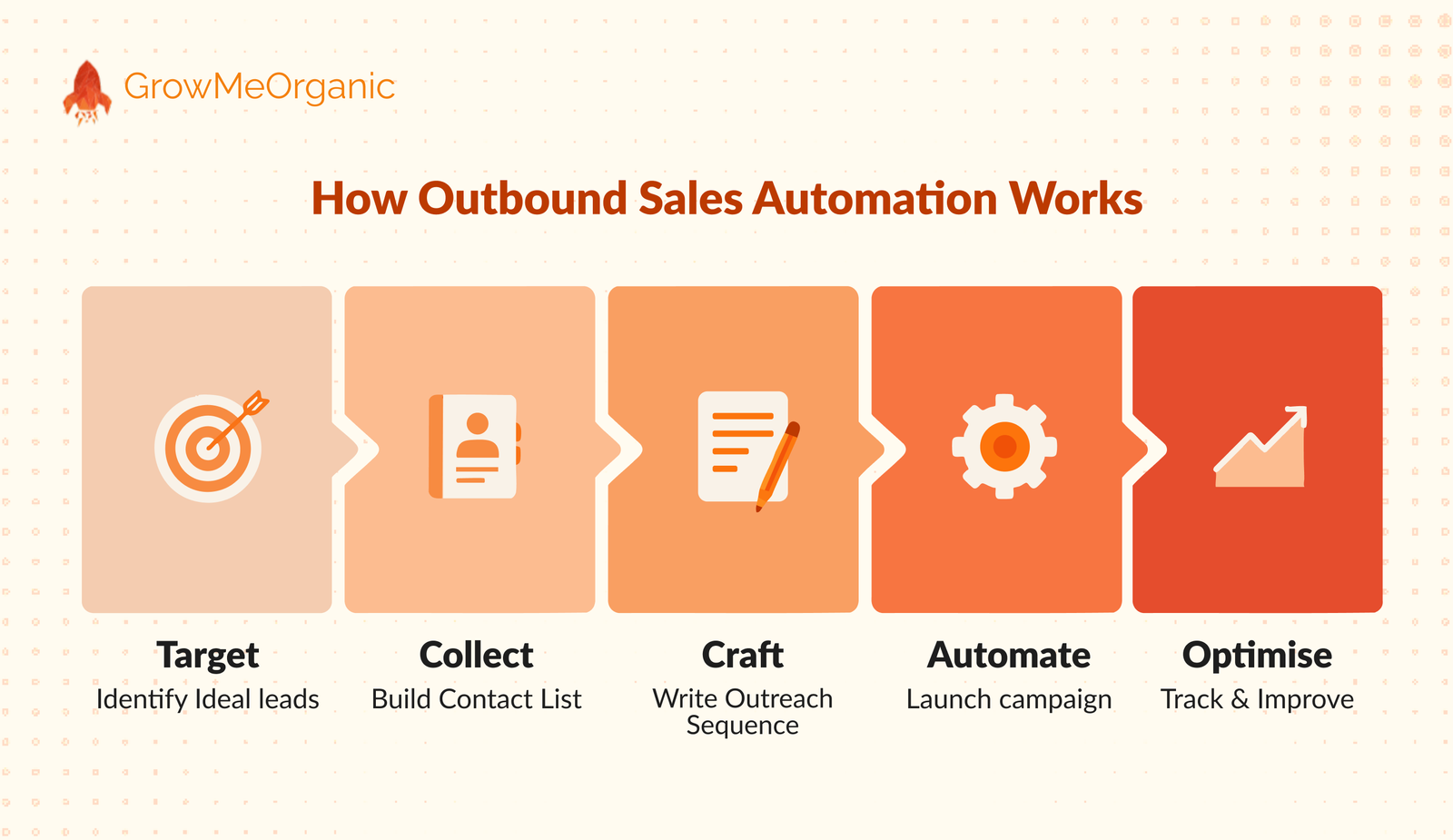
One of the surest methods of creating predictable revenue is outbound sales. However, it is usually accompanied by certain issues.
Sales reps can spend hours calling leads that were not a good fit to begin with. The follow-up emails may be sent in an impoverished context. Critical information on prospects may also be scattered over spreadsheets, email messages, or personal notes.
All this complicates the process of qualifying leads and keeping track of what is actually working.
A CRM is a solution to this, as it consolidates prospect information, outreach activities, and qualification data. When used correctly, it provides teams with a clearer view of the pipeline and enables them to focus on the most important opportunities.
Sales strategist Trish Bertuzzi puts it simply:
“The biggest challenge in outbound sales isn’t activity. It’s making sure activity is focused on the right prospects.”
Start With Clear Lead Qualification Criteria
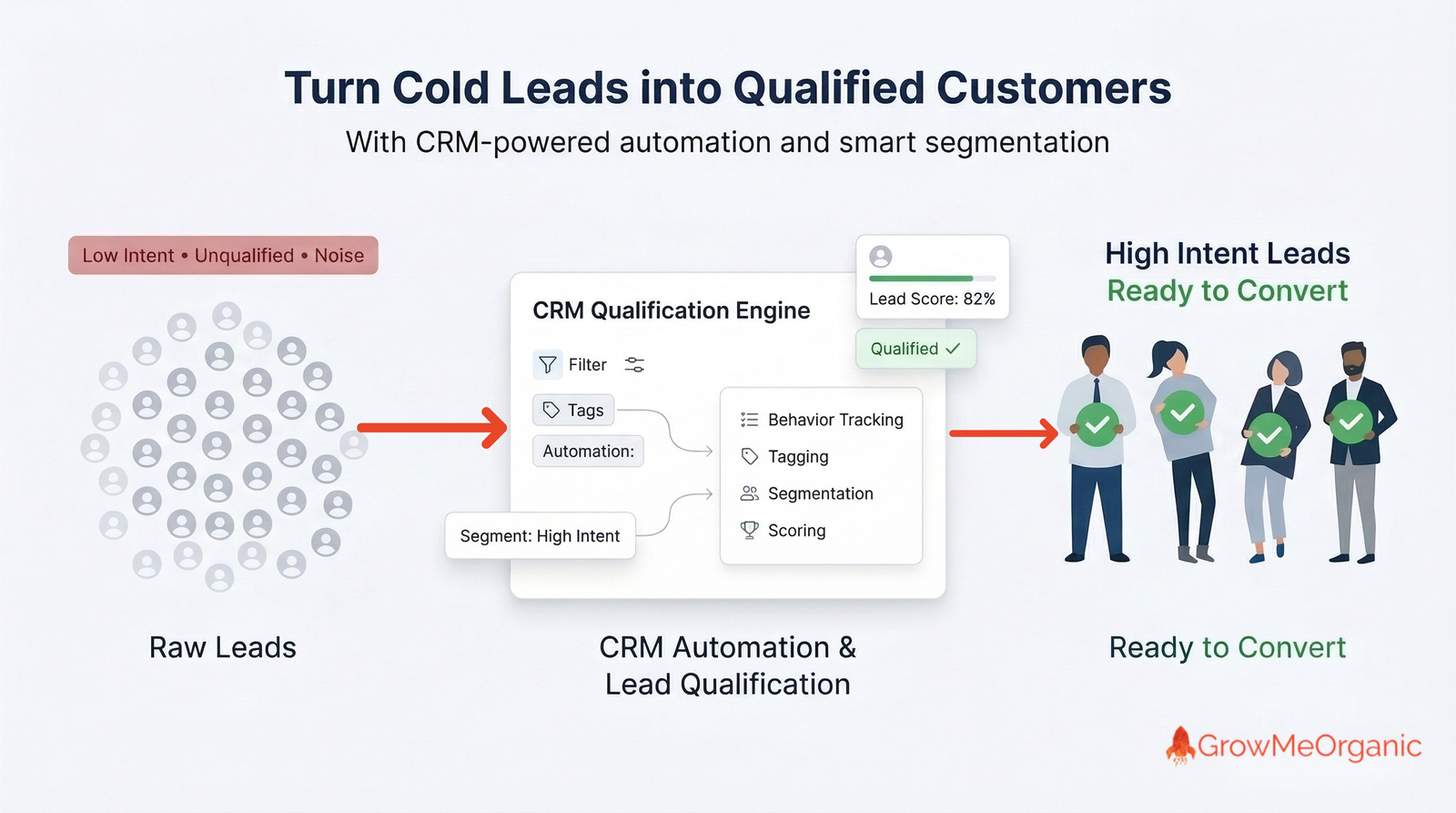
Before improving outbound qualification, sales teams need to agree on what a good lead actually looks like.
In the absence of any clear criteria, each rep will just make his or her own judgment regarding the prospects that should be pursued. That typically results in inconsistent pipeline quality.
A CRM makes it easier to standardize this process by adding structured fields that reps fill out during discovery.
Example CRM qualification fields
🔸Budget range
🔸Decision maker role
🔸Industry
🔸Company size
🔸Purchase timeline
🔸Product need
These fields guide conversations and make sure important information is captured every time.
Example workflow
👇A new lead enters the CRM
👇The rep fills in the required qualification fields
👇The lead moves to the appropriate pipeline stage
Over time, this data also helps teams see which types of prospects are most likely to convert.
How To Filter Out Poor-Fit Prospects
Outbound teams often waste time scheduling appointments with poor-fit prospects. The absence of a budget, a lack of decision-making authority, or an incorrect company profile can easily lead to dead ends in demos.
The easiest way is to include the necessary qualification fields in the CRM so a lead cannot proceed to the next stage without them.
Companies using structured lead scoring and qualification in CRM platforms like Salesforce have reported significant efficiency gains. In one documented implementation of predictive lead scoring, organizations reduced lead qualification time by up to 40 percent while improving overall pipeline quality.
These areas compel the reps to verify fundamental purchasing conditions in the initial outreach, which allows the reps to narrow down poor prospects prior to arranging meetings.
Centralize Prospect Data For Better Conversations
Outbound conversations work best when reps understand the prospect’s background.
A CRM helps by storing all interactions in one place. That includes:
✅Email history
✅Call notes
✅Meeting summaries
✅Website activity
✅Marketing engagement
Instead of starting cold, reps can see what the prospect has already done or shown interest in.
Sales author Aaron Ross, known for the Predictable Revenue sales model, explains it well:
Centralized data also improves alignment between marketing and sales. When prospects interact with marketing content, those signals appear inside the CRM so outbound reps know where to start the conversation.
Segment Leads For More Relevant Outreach
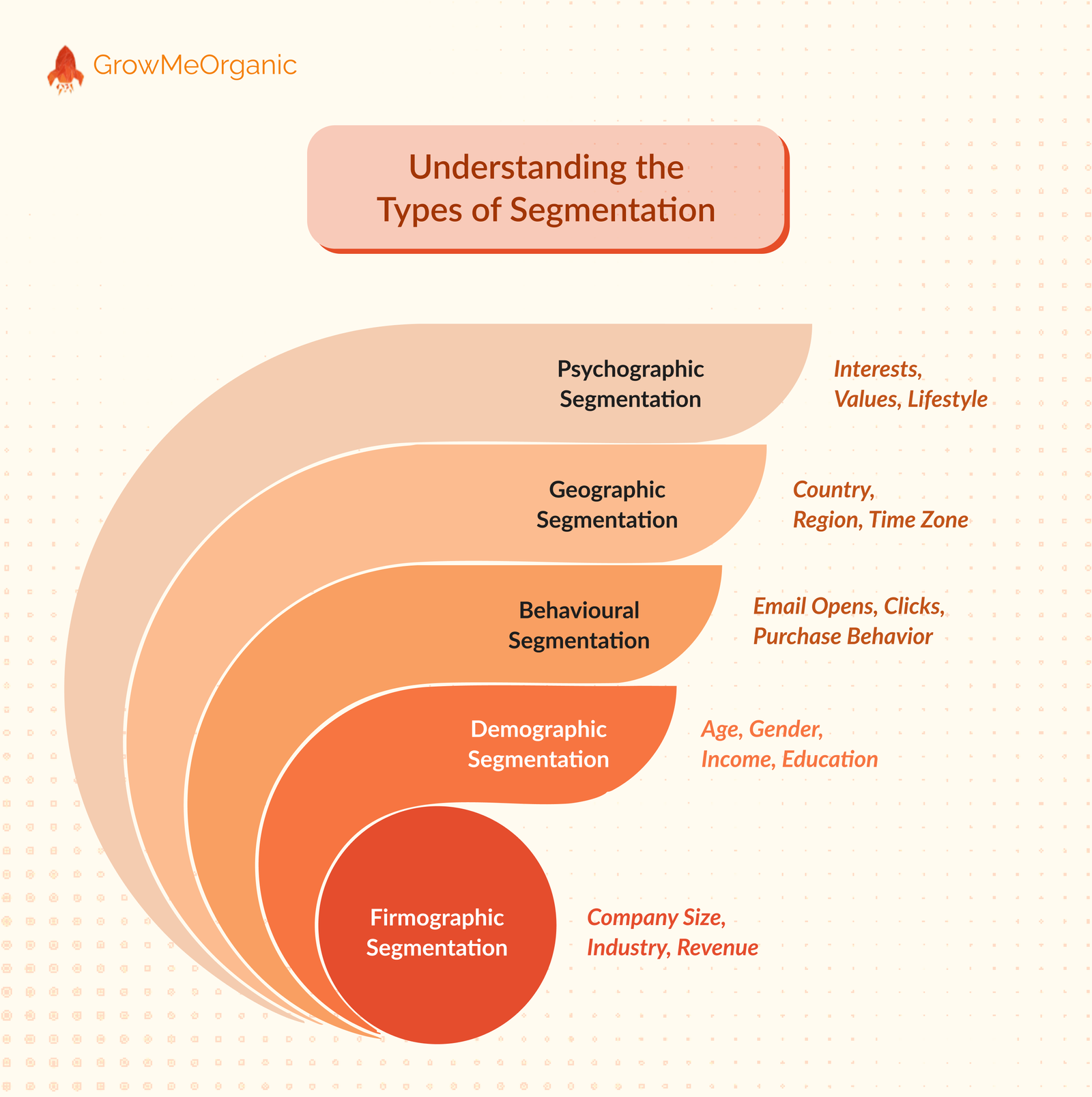
Not every prospect responds to the same outreach. CRM segmentation tools help sales teams group leads based on characteristics like:
🎯Industry
🎯Location
🎯Company size
🎯Job title
🎯Engagement level
Instead of sending the same message to everyone, reps can tailor outreach to each segment.
Example segments
⚡Manufacturing companies with 50–200 employees
⚡Tech startups that recently raised funding
⚡Marketing leaders who downloaded a guide
More targeted messaging usually leads to higher response rates and better conversations. Segmentation also helps reps focus on high-value accounts first.
Use Lead Scoring To Prioritize Outreach
Manual lead prioritization can be inconsistent. Some reps chase the wrong opportunities while others miss high-intent prospects.
Lead scoring helps fix this.

CRM systems can automatically assign points based on prospect behavior.
Example lead scoring rules
📌+10 points for visiting the pricing page
📌+8 points for downloading a whitepaper
📌+5 points for opening multiple emails
When a prospect reaches a certain score, the CRM can notify the sales team.
This helps reps focus their energy on leads that are already showing buying signals.
How To Spot High-Intent Buyers
Not every lead is ready to buy. High-intent buyers tend to provide strong indications before speaking with sales personnel, including visiting pricing pages, downloading product information, or visiting the site more than once.
CRM systems can monitor such behaviors and automatically increase a lead’s score when purchasing indicators are detected. The sales reps can then focus on reaching out to prospects that have already started researching solutions.
Early detection of high-intent signals enables sales teams to contact prospects when they are actively evaluating vendors, significantly increasing the likelihood of securing a qualified meeting.
Bring Communication Tools Into the CRM
Outbound sales usually involve several channels:
🎯Phone calls
🎯LinkedIn messages
🎯Meeting scheduling tools
When these tools connect directly to the CRM, every interaction gets logged automatically. This reduces admin work and makes it easier to see the full outreach history for each prospect.
It also improves reporting. Leaders can track metrics such as:
🔶Call volume
🔶Email response rates
🔶Meeting conversions
That visibility helps teams refine their outreach strategy.
Standardize Outreach Workflows
Successful outbound sales depend heavily on follow-up. Without clear workflows, prospects often slip through the cracks.
CRM systems make it easy to create repeatable outreach sequences.
Example workflow
Day 1 – Introductory email
Day 3 – Follow-up call
Day 5 – LinkedIn connection request
Day 7 – Value-focused follow-up email
Task reminders and automation help ensure every prospect receives consistent communication.
Use CRM Data For Better Sales Coaching
CRM analytics give sales managers a clearer view of team performance.
Instead of relying on guesswork, they can look at metrics like:
⚡Calls made
⚡Meetings booked
⚡Conversion rates
⚡Pipeline progression
If one rep consistently books more meetings from cold calls, managers can analyze that approach and share it with the team.
Performance dashboards also help identify whether problems come from poor targeting, weak messaging, or low activity levels.
Improve Follow-Up and Lead Nurturing
Not every prospect is ready to buy after the first conversation. The best CRM software helps teams stay organized with follow-ups and reminders.
Automated nurture emails can also keep prospects engaged between calls by sharing helpful content like:
🟠Case studies
🟠Industry insights
🟠Product guides
By the time reps reconnect, prospects often have a better understanding of their needs.
Turn CRM Reporting Into Strategy
CRM reporting can highlight trends that shape outbound strategy.
Sales leaders can track:
📌Contact rates
📌Meeting conversion rates
📌Qualified opportunity ratios
📌Pipeline velocity
These insights reveal bottlenecks and help teams test improvements.
For example, when a single industry outperforms others, teams can redirect outreach efforts to that industry.
Align Marketing and Sales
Outbound lead qualification is most effective when there is alignment between marketing and sales. CRM platforms assist both teams working off the same data.
Marketing can see which campaigns generate qualified leads, and sales can provide feedback on lead quality and conversion rates.
This shared visibility helps refine targeting and messaging across the organization.
Example feedback loop in a CRM
🔸Marketing launches a campaign targeting mid-sized SaaS companies
🔸Leads are captured and automatically routed into the CRM
🔸Sales reps begin outreach and log qualification notes
🔸Marketing reviews which leads became qualified opportunities
🔸Future campaigns focus more heavily on the highest-performing segments
Customize the CRM to Match Your Sales Process
The sales cycle and qualification process of every company is different. The customization of CRM fields, stages, and dashboards is necessary to make sure that the system is in line with the actual workflow of the sales team.
When developing such systems, sales leaders need to consult reps. Their feedback will help determine which fields and processes are most useful. When reps understand the value of the system, they will be far more willing to use it regularly.
A CRM that mirrors the actual sales process and stores the information reps use will be adopted naturally. Sales teams no longer view the system as administrative work, but as a tool to enable better sales.
Create Transparency and Accountability
An effective CRM renders outbound activity transparent. All calls, emails, notes, and updates on qualifications are captured in the system. This promotes regular implementation and provides managers with real-time visibility of the pipeline health.
For sales representatives, this level of visibility promotes consistent implementation. With regular monitoring of outreach activities and pipeline updates, the organized follow-up schedule will be easier to track, and opportunities will not be missed due to missed communication.
Instead of waiting until the end of the quarter to identify issues, sales leaders will be able to track performance regularly and implement changes when activity levels or conversion rates decline.
This visibility over time would help establish a culture of accountability in which performance is outward-facing, measured, discussed, and improved systematically.
Keep Improving Your Outbound Strategy
Outbound qualification isn’t a one-time process.
Markets change, buyer behavior evolves, and messaging that worked last year may not work today.
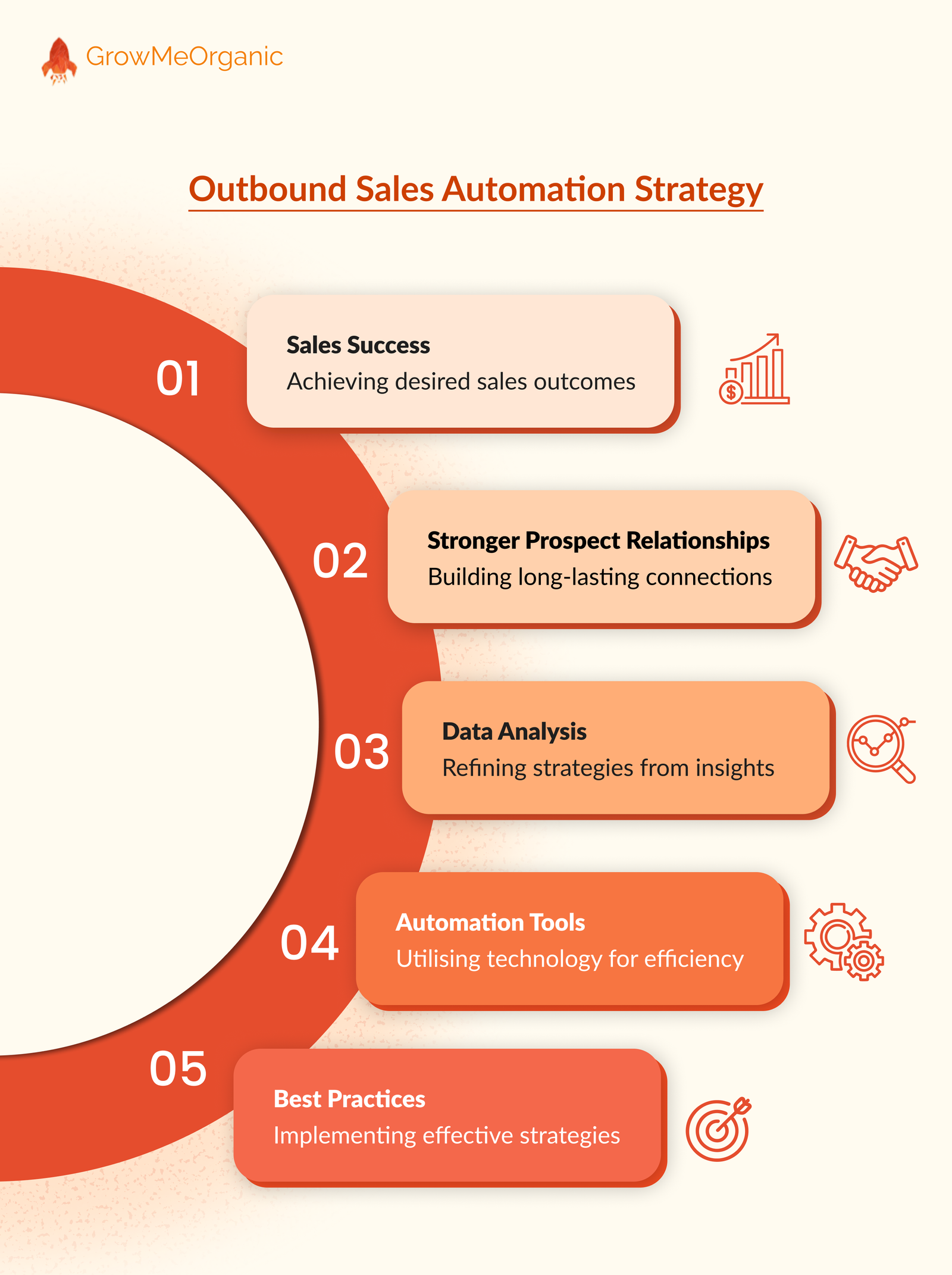
CRM data helps teams test improvements such as:
✅New outreach messaging
✅Different follow-up cadences
✅Updated segmentation strategies
By measuring results inside the CRM, sales teams can quickly identify which changes lead to better outcomes.
Conclusion
An effective CRM can turn an otherwise disjointed outbound lead qualification process into a data-driven system of results. By centralizing prospect data, standardizing workflows, and leveraging segmentation and lead scoring, sales teams can prioritize opportunities with the best chance of conversion.
Reps can better understand the context, managers can better understand visibility, and organizations can achieve clearer direction for predictable revenue growth. CRM tools can be a potent driver for outbound sales performance when integrated into day-to-day workflows and aligned with well-defined qualification standards.
About Post Author